Introduction
Packaging has evolved far beyond its traditional role of protecting products. Today, packaging influences customer perception, purchasing decisions, brand identity, and long-term business growth. For many businesses, the first physical interaction a customer has with a product is not the product itself, but the box, carton, label, sleeve, insert, or bag that carries it. This makes packaging a silent salesperson that communicates quality, care, reliability, and brand value before the customer even opens the product.
This blog focuses on the commercial value of packaging: shelf appeal, repeat purchases, product protection, brand recall, customer loyalty, and category differentiation. It also explains why paper-based packaging has become a practical choice for brands that want to balance presentation, performance, and responsible material selection. As consumer expectations and packaging trends continue to move toward recyclable and fibre-based formats, businesses that invest in better packaging can create stronger customer experiences and improve their competitive position.
Whether a company sells food products, cosmetics, apparel, electronics, stationery, gifts, or premium retail goods, packaging plays an important role in how customers judge the product. A simple, weak, or poorly designed package can make even a good product look ordinary. On the other hand, thoughtfully designed paper-based packaging can make the same product look more premium, trustworthy, and gift-worthy.
Packaging as a Growth Driver
Strong packaging helps products compete in crowded markets. On retail shelves, the right carton, label, sleeve, or rigid box can improve visibility and make the product easier to notice. In online sales, a well-planned package improves the delivery experience and encourages customers to remember the brand. Packaging also helps customers quickly understand what the product is, why it is useful, and why it is worth buying.
For retail, FMCG, D2C, and gifting brands, packaging can directly influence perceived value, repeat purchases, and long-term customer loyalty.
For new and growing brands, packaging can reduce the gap between a lesser-known product and an established competitor. When the design, printing, finishing, and material quality look professional, customers are more likely to take the product seriously. This is especially important in categories where buyers make quick decisions based on visual appeal, product information, and perceived trust.
Packaging also supports business growth by creating consistency. When all product lines use similar colors, typography, brand marks, paper textures, and packaging formats, the brand becomes easier to recognize across stores, marketplaces, social media, exhibitions, and deliveries. This consistency builds recall, and brand recall often leads to stronger customer confidence over time.
Paper-Based Packaging Solutions That Support Growth
Businesses today have access to a variety of paper-based solutions, including:
- Recycled paper cartons
- Custom printed packaging
- Paper bags
- Labels
- Brochures
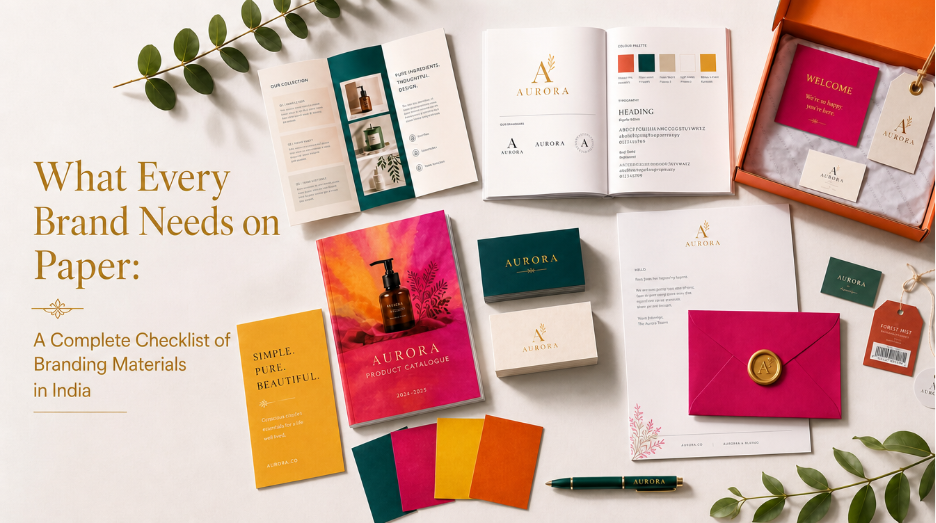
- Corporate stationery
- Packaging inserts
These solutions help organizations communicate professionalism, improve product presentation, support responsible material choices, and create a more consistent brand experience across shelves, deliveries, and customer interactions.
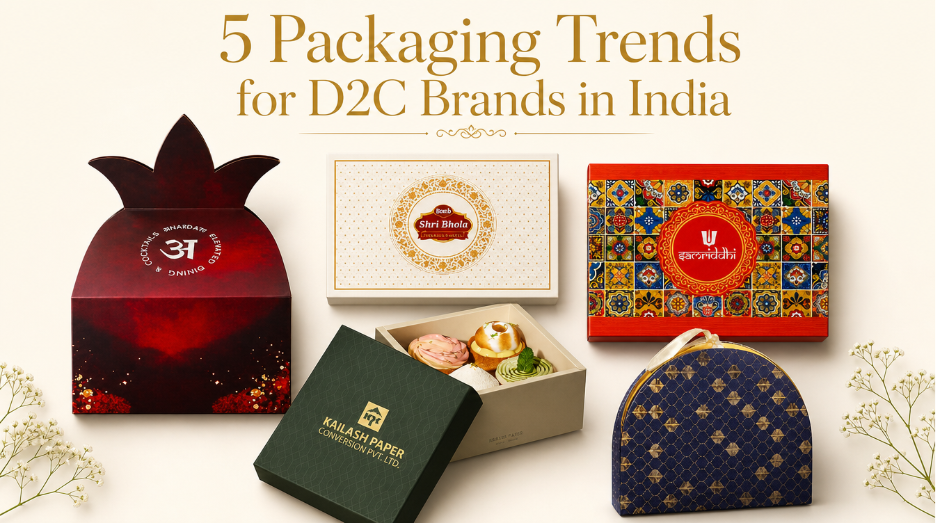
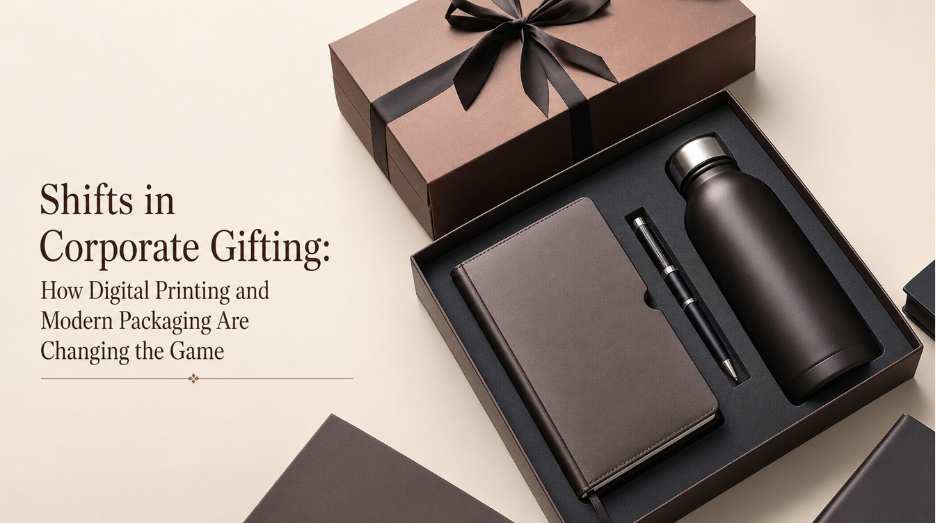
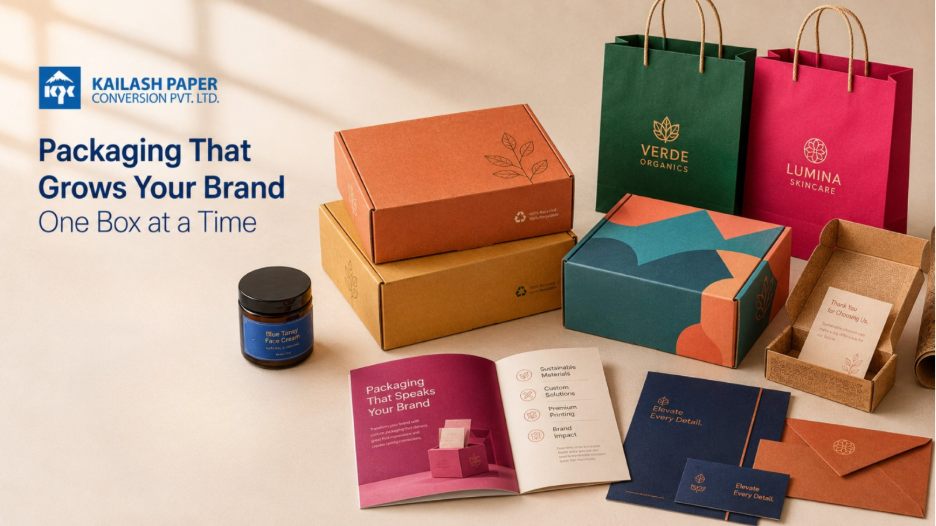
Paper cartons and foldable boxes are useful for everyday retail and FMCG products because they offer structure, printability, and product information space. Rigid boxes are often preferred for premium products, gifting, and luxury categories because they create a stronger sense of value. Paper bags extend the brand experience after purchase by turning the customer into a walking brand ambassador. Labels and sleeves help products look polished while communicating essential details clearly.
Packaging inserts are another small but powerful tool. A thank-you card, care instruction card, product usage guide, discount note, warranty card, or brand story insert can make the customer feel more connected to the business. These details are especially valuable for D2C and e-commerce brands because the package may be the only physical brand touchpoint after an online purchase.
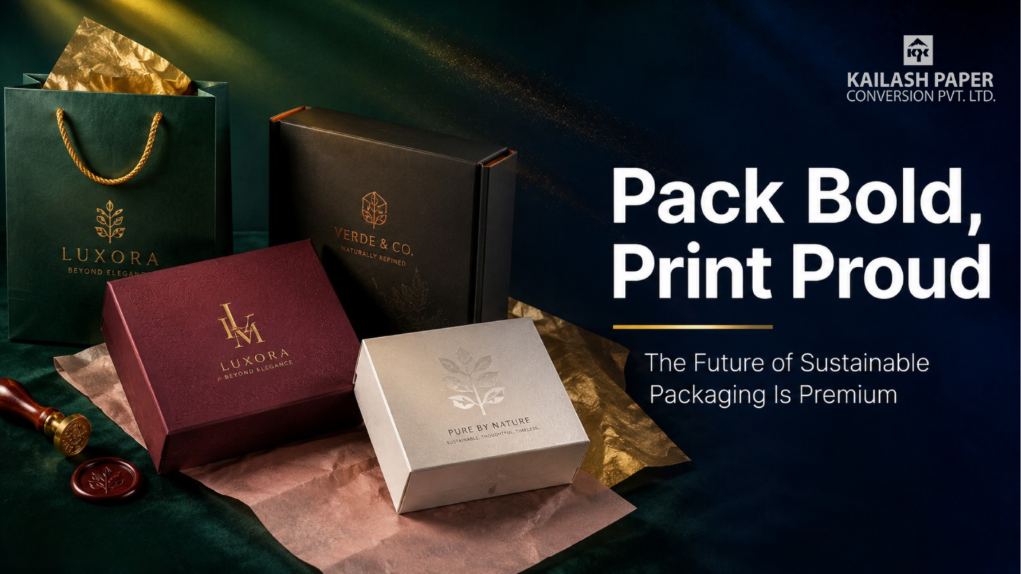
Because paper-based packaging can be customized through printing, embossing, foiling, die-cutting, window patches, sleeves, and finishes, it allows businesses to design packaging that matches their market position. A premium brand can use elegant textures and minimal design, while a youth-focused brand can use bold colors, playful graphics, and interactive inserts.
How Packaging Drives Business Growth
Packaging directly influences how customers perceive products and brands. Attractive and thoughtfully designed packaging improves shelf appeal, helping products stand out in competitive retail environments.
A strong packaging design also strengthens brand positioning by creating a consistent visual identity across products and marketing channels.
Effective packaging contributes to:
- Increased product visibility
- Better customer engagement
- Improved customer satisfaction
- Stronger customer loyalty
- Higher brand recall
- Repeat purchases
Businesses that invest in quality packaging often gain a competitive advantage and build stronger long-term customer relationships.
One of the biggest advantages of paper-based packaging is its ability to combine function and communication. A carton does not only hold a product; it can display the brand name, product benefits, usage instructions, certifications, ingredients, pricing, barcode details, contact information, and promotional messages. This makes packaging an important marketing surface that works at the exact moment when a customer is considering a purchase.
Good packaging also improves customer confidence by reducing confusion. Clear labeling, clean layouts, readable fonts, and organized product information help customers make faster decisions. If customers can quickly understand the product’s benefits, quantity, usage, and quality promise, they are more likely to complete the purchase.
In e-commerce, packaging becomes even more important because it must protect the product during handling, shipping, and delivery. Damaged packaging can lead to negative reviews, returns, replacement costs, and lower customer trust. Durable paper-based cartons, inserts, dividers, and protective structures help reduce product movement and improve the delivery experience. When customers receive a product in good condition, they associate that reliability with the brand.
Practical Sustainability Strategies
Organizations can improve sustainability by:
- Choosing recyclable packaging
- Using responsibly sourced paper materials
- Reducing unnecessary packaging
- Optimizing packaging design
- Selecting environmentally conscious printing solutions
Small changes can contribute to meaningful environmental and business benefits over time.
A practical sustainability strategy begins with choosing the right material for the product, not simply using less material everywhere. Packaging must still protect the product, maintain hygiene where required, and survive transportation. If the package fails, the environmental and financial cost of damaged products can be higher than the material saved. Therefore, smart design means using the right amount of paper, board strength, printing method, and finishing for the product’s actual needs.
Businesses can also improve sustainability by simplifying packaging layers, avoiding unnecessary plastic components where possible, selecting recyclable paper formats, and designing packaging that customers can easily dispose of or reuse. Clear disposal instructions can further support responsible customer behavior and improve the brand’s credibility.
Long-Term Benefits for Businesses
Sustainable packaging supports:
- Stronger customer relationships
- Enhanced brand reputation
- Improved market positioning
- Greater customer trust
- Long-term business growth
As sustainability becomes increasingly important, businesses that embrace responsible packaging practices are better positioned for future success.
Long-term growth is not created by one attractive box alone. It comes from using packaging as part of a wider brand strategy. When packaging design, product quality, marketing communication, and customer service work together, customers begin to associate the brand with reliability and value. Over time, this can support repeat purchases, referrals, and stronger retail relationships.
Better packaging can also help businesses enter new channels. A product that looks professional and retail-ready is easier to present to distributors, supermarkets, boutique stores, corporate buyers, and export partners. In many cases, strong packaging becomes a sign that the brand is serious, organized, and ready to scale.
Turning Packaging Into a Sales Asset
When packaging is planned strategically, it can support sales before, during, and after purchase. On shelves, attractive cartons and labels help customers notice the product. During purchase, clear information builds confidence. After purchase, strong unboxing and product protection influence satisfaction and repeat buying.
Businesses can also use packaging to support promotions, seasonal campaigns, product launches, and loyalty programs. Inserts, QR-style information areas, thank-you cards, and limited-edition sleeves can make packaging more interactive and valuable. This helps brands remain memorable in competitive categories where customers often compare multiple similar products.
Seasonal packaging is another way to turn packaging into a sales asset. Festive sleeves, gift boxes, limited-edition labels, and customized inserts can increase excitement during special occasions. For categories such as sweets, dry fruits, beauty products, wellness products, apparel, stationery, and corporate gifting, packaging often becomes a major part of the purchase decision because customers want the product to look presentable as a gift.
Packaging can also support customer retention. Simple inserts that encourage customers to follow the brand, register a warranty, share feedback, explore related products, or use a repeat-purchase offer can increase post-purchase engagement. These small communication points make the package more than a container; they make it part of the customer journey.
Conclusion
Paper-based packaging supports business growth by turning every package into a meaningful brand touchpoint. The right cartons, labels, paper bags, sleeves, inserts, and boxes can improve visibility, strengthen customer trust, protect products, and make the buying experience more memorable. It helps businesses communicate professionalism, build product value, and create consistency across every customer interaction.
For growing businesses, packaging should not be treated only as a cost. When planned strategically, it becomes a long-term investment in brand recall, customer loyalty, repeat purchases, and stronger market positioning. From product protection and shelf appeal to sustainability and customer engagement, paper-based packaging can support every stage of the business growth journey.
Businesses that choose packaging thoughtfully are better prepared to compete in modern markets where customers notice details, compare brands quickly, and expect both quality and responsibility. With the right packaging partner, paper-based solutions can help brands look better, sell better, and grow stronger over time.
Call to Action
Want packaging that supports business growth? Kailash Paper helps brands create customized cartons, labels, rigid boxes, foldable boxes, sleeves, paper bags, inserts, and printed packaging solutions that improve shelf appeal, strengthen brand positioning, enhance customer experience, and support long-term growth.